

Manual and Automatic Stamping Lines
Manual Stamping Lines
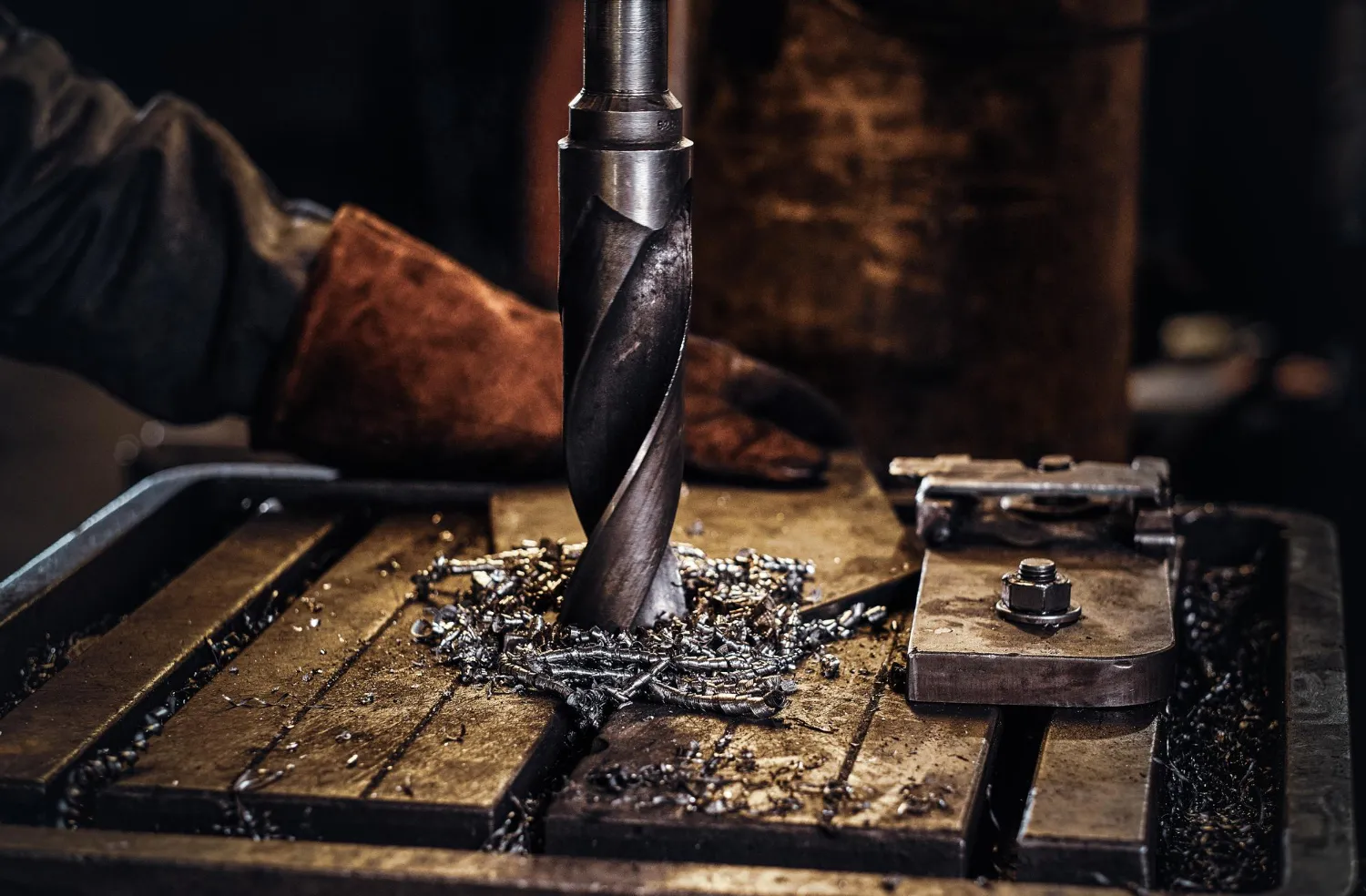
Manual stamping lines are ideal for specialized, lower-volume production or parts that require detailed attention during processing. These systems rely on operator-controlled presses and handling, offering flexibility in setup and adjustment.
Manual stamping is particularly beneficial when producing:
Prototype components
Custom-designed parts
Short production runs
Parts requiring frequent tooling changes
Operators closely monitor each stage of the stamping process, ensuring dimensional accuracy and surface quality. This approach allows for fine-tuning and rapid modifications when needed. Manual stamping lines also support complex forming processes where human oversight enhances precision and reduces material waste.
Despite being less automated, manual stamping maintains high quality standards and is often used during early product development or when flexibility is a priority.
Automatic Stamping Lines
Automatic stamping lines are designed for high-speed, high-volume production. These systems integrate feeding mechanisms, progressive dies, transfer systems, and automated part removal to create a seamless production flow.
Key advantages of automatic stamping lines include:
Consistent output at high speeds
Reduced labor requirements
Improved cycle time efficiency
High repeatability and accuracy
Lower cost per unit in mass production
Automatic lines are particularly suitable for industries requiring thousands or millions of identical components. Advanced control systems monitor press force, alignment, and feed rates to ensure consistent quality throughout long production runs.
The combination of manual and automatic stamping capabilities allows manufacturers to adapt production methods based on project scale, complexity, and client requirements.
In-House Production Facilities
Complete Operational ControlIn-house production facilities provide full oversight of the entire metal stamping process. By maintaining internal control over machinery, tooling, engineering, and quality management, manufacturers ensure that production standards remain consistent and deadlines are met reliably.
In-house operations eliminate dependency on external subcontractors, reducing risks related to delays, miscommunication, or quality inconsistencies. This approach allows for faster response times and greater flexibility when adjustments are required.
Advanced Equipment and Infrastructure
A fully equipped stamping facility typically includes:
Mechanical and hydraulic presses
Coil feeding and straightening systems
Tool maintenance workshops
Quality inspection laboratories
Surface finishing and secondary processing areas
Each piece of equipment plays a critical role in ensuring precise metal forming and part integrity. Press capacity varies depending on the size and thickness of materials being processed, enabling production of both lightweight components and heavy-duty structural parts.
Skilled Workforce and Engineering Support
In-house facilities are supported by experienced engineers, technicians, and machine operators. Their expertise ensures optimal press setup, tooling alignment, and material handling.
Engineering teams collaborate closely with clients to understand technical specifications and performance expectations. This direct communication streamlines the production process and enhances overall efficiency.
Full Process Handling: From Sketch to Finished Product
Concept and Design Development
The metal stamping process begins with a client’s concept, drawing, or technical sketch. Engineers analyze the design to determine feasibility, material selection, forming methods, and tooling requirements.
During this stage, detailed 3D models are created to visualize the final component and identify potential manufacturing challenges. Design optimization ensures that the part can be produced efficiently while maintaining structural strength and functional integrity.
Tooling Preparation and Prototyping
Once the design is finalized, specialized stamping tools are manufactured. Tool precision directly impacts the quality and consistency of stamped components.
Prototypes may be produced to validate fit, function, and dimensional accuracy. Testing allows engineers to refine the tooling and stamping parameters before full-scale production begins.
Mass Production and Secondary Operations
After successful validation, mass production begins using manual or automatic stamping lines, depending on volume requirements. Components may undergo additional processes such as:
Bending and forming
Punching and trimming
Deburring
Surface treatment or coating
Assembly or sub-assembly
By handling every stage internally, the stamping service ensures consistent quality control from raw material intake to final inspection.
Quality Assurance and Final Delivery
Each finished component undergoes inspection to verify dimensions, surface finish, and mechanical performance. Quality control procedures may include visual inspection, measurement testing, and material verification.
Once approved, components are packaged and prepared for delivery according to client specifications, ensuring they arrive ready for integration into final products or systems.
Industries Served
Construction
In the construction sector, stamped metal components are widely used for structural supports, brackets, connectors, reinforcement elements, and fastening systems. Durability and load-bearing capacity are essential requirements.
Metal stamping enables the production of standardized, high-strength components used in building frameworks, infrastructure projects, and architectural installations. Consistent production quality ensures compliance with safety and regulatory standards.
Electromechanical Industry
The electromechanical industry relies on precision metal parts for electrical enclosures, mounting brackets, conductive components, and internal support structures. Dimensional accuracy is critical to ensure proper alignment and performance.
Stamped metal components provide the reliability and uniformity needed for integration into complex electromechanical systems, from small control units to large industrial machinery.
Oil & Process Industry
In the oil and process industry, metal components must withstand harsh environments, including high temperatures, pressure variations, and corrosive conditions. Stamped parts are used in support systems, housings, clamps, and protective structures.
Material selection plays a vital role in this sector, often involving corrosion-resistant metals and specialized alloys. Precision stamping ensures tight tolerances and dependable performance in demanding operational environments.
Door & Window Manufacturers
Door and window manufacturers depend on stamped metal parts for hinges, reinforcement plates, locking mechanisms, mounting brackets, and structural inserts.
High-volume production is essential in this industry, where consistency and repeatability are key. Automatic stamping lines enable the efficient manufacturing of standardized components that meet strict dimensional and durability requirements.
Road Safety
Road safety applications include guardrail components, mounting brackets, sign supports, reflective panel frames, and impact-resistant hardware. Strength and reliability are critical to ensure public safety.
Stamped metal parts used in road infrastructure must meet rigorous quality standards. Controlled production processes ensure uniformity and dependable performance under environmental stress.
Packaging Industry
The packaging industry utilizes stamped metal components in machinery, sealing mechanisms, conveyor systems, and structural supports. Lightweight yet durable metal parts help maintain production efficiency and operational reliability.
High-speed stamping lines support the mass production needs of packaging equipment manufacturers, ensuring a consistent supply for assembly and maintenance.
Commitment to Efficiency and Precision
Metal stamping services combine technical expertise, advanced equipment, and structured production management to deliver reliable, high-volume manufacturing solutions. By operating both manual and automatic stamping lines within in-house production facilities, manufacturers maintain full control over quality and timelines.
From initial sketch development to final product delivery, every phase is carefully managed to ensure optimal performance and customer satisfaction. Serving industries such as construction, electromechanical systems, oil and process operations, door and window manufacturing, road safety, and packaging, metal stamping remains a cornerstone of modern industrial production.
Through continuous improvement and precision engineering, metal stamping services provide durable, cost-effective solutions that support a wide range of industrial applications and long-term operational success.