
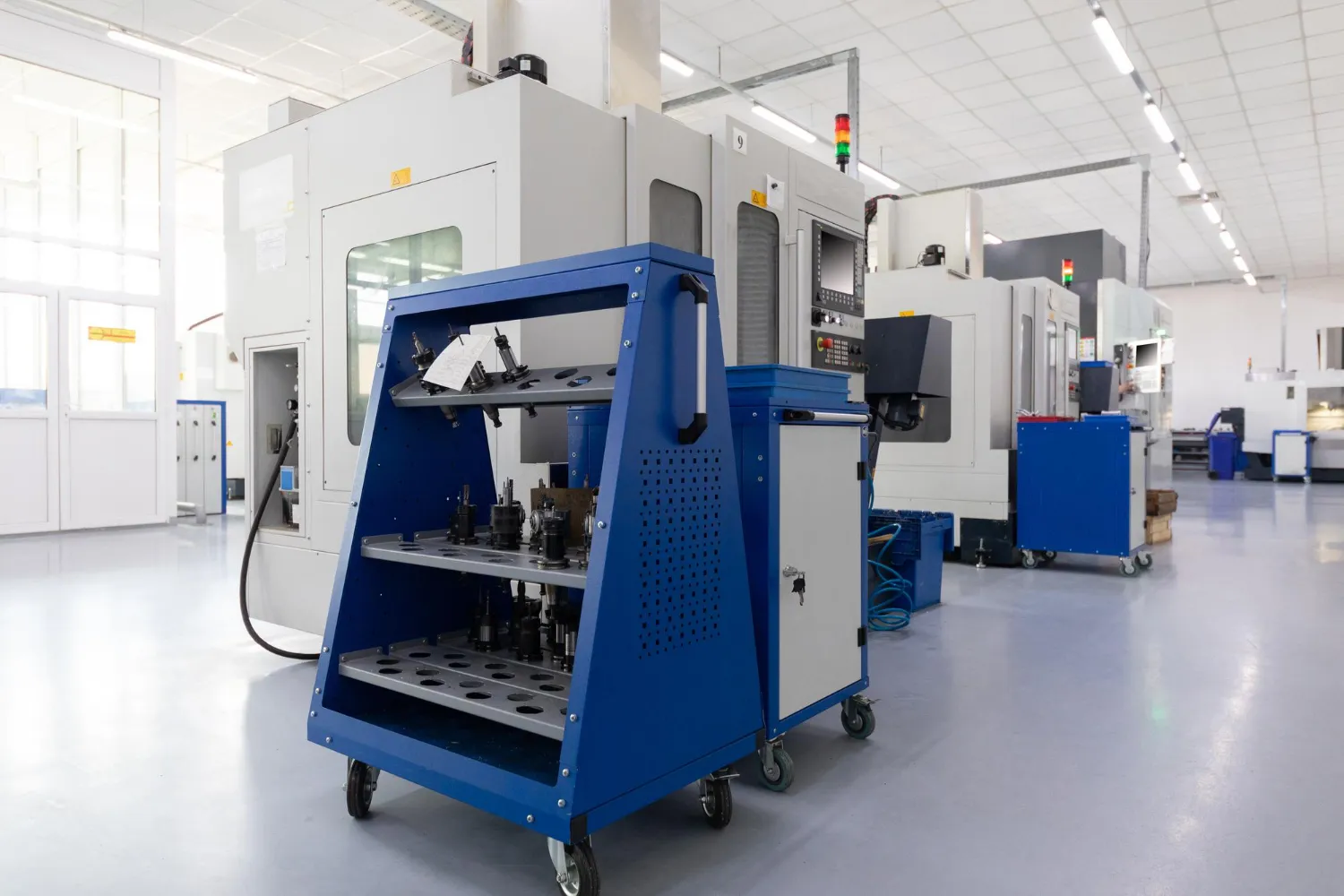

Plastic Injection Molding Service Overview
Plastic injection molding is one of the most versatile and widely used manufacturing processes for producing high-precision plastic components at scale. This service transforms thermoplastic materials into functional parts by injecting molten plastic into a carefully engineered mold under controlled pressure and temperature conditions. Once cooled and solidified, the finished component is ejected, ready for use or further processing.
A comprehensive plastic injection molding service goes beyond simply producing parts. It integrates design consultation, material selection, mold development, robotic automation, quality control, and full-scale production management. From small plastic clips to complex machine components and highly regulated technical or medical parts, injection molding provides reliable and repeatable manufacturing solutions across numerous industries.
Modern facilities combine advanced injection molding machines with robotic-assisted systems to ensure efficiency, precision, and consistent product quality. By managing the entire journey from idea to prototype and full production, manufacturers deliver complete, end-to-end solutions tailored to client requirements.
Key Features and Benefits
Precision Plastic Injection Molding
We provide high-precision plastic injection molding services to manufacture complex and durable components. Using advanced molding machines and controlled processes, we ensure consistent quality and tight tolerances for every product.
Custom Mold Design & Development
Our engineering team designs and develops custom molds tailored to your product specifications. From prototype to full-scale production, we create efficient molds that optimize cycle time and material usage.
High-Volume Production Capabilities
Equipped with modern injection molding machines, we handle both small and large production runs. Our streamlined operations ensure cost-effective manufacturing with fast turnaround times.
Wide Range of Plastic Materials
We work with various thermoplastics such as ABS, PP, PC, Nylon, and HDPE. Our material expertise allows us to select the right polymer based on strength, flexibility, heat resistance, and application requirements.
Quality Assurance
Every molded part undergoes strict quality inspection to ensure dimensional accuracy and surface finish. We also offer secondary services including trimming, assembly, ultrasonic welding, printing, and packaging to deliver ready-to-use products.
Injection Molding of All Types of Thermoplastics
Wide Material Compatibility
A key strength of plastic injection molding services is the ability to process all major thermoplastic materials. Thermoplastics are polymers that soften when heated and solidify when cooled, making them ideal for repeated molding cycles.
Common thermoplastics processed include:
Polypropylene (PP)
Polyethylene (PE)
Acrylonitrile butadiene styrene (ABS)
Polycarbonate (PC)
Polyamide (PA / Nylon)
Polyoxymethylene (POM)
Polyethylene terephthalate (PET)
Thermoplastic elastomers (TPE)
Each material offers unique mechanical, thermal, and chemical properties. The selection depends on the component’s intended application, environmental exposure, load requirements, and regulatory standards.
Material Selection and Engineering Support
Choosing the correct thermoplastic is critical to product performance. Engineering teams analyze factors such as:
Strength and durability requirements
Temperature resistance
Chemical exposure
Electrical insulation properties
Surface finish expectations
Regulatory compliance for medical or technical use
By matching material characteristics to functional demands, injection molding services ensure long-term reliability and cost efficiency.
Process Optimization for Different Materials
Different thermoplastics require precise control of injection speed, pressure, and cooling rates. Advanced machines are programmed to maintain optimal processing conditions for each material type. This ensures consistent dimensional accuracy, minimal shrinkage variation, and high surface quality.
The ability to mold diverse thermoplastics expands application possibilities, enabling the production of everything from lightweight consumer components to high-performance industrial parts.
Robot-Assisted Production Machines
Automation for Precision and Efficiency
Robot-assisted production machines enhance both productivity and consistency in injection molding operations. Integrated robotic arms handle part removal, quality inspection, assembly tasks, and packaging with speed and accuracy.
Automation reduces manual handling, which minimizes the risk of contamination, damage, or inconsistency. This is especially important for technical and medical components where precision and cleanliness are essential.
High-Speed and Repeatable Manufacturing
Robotic systems operate with programmed precision, ensuring each cycle is executed identically. Benefits include:
Faster cycle times
Reduced production errors
Improved workplace safety
Lower labor dependency
Consistent product quality
In high-volume production environments, robot-assisted systems significantly increase output while maintaining tight tolerances.
Integration with Quality Control Systems
Advanced robotic production lines often integrate with inspection technologies such as vision systems and automated measurement tools. These systems detect dimensional deviations, surface defects, or material inconsistencies in real time.
By identifying issues immediately, manufacturers prevent defective parts from progressing further in the production process. This proactive quality assurance approach enhances reliability and reduces waste.
From Idea → Prototype → Full Production
Concept Development and Engineering Consultation
The injection molding process begins with an idea, concept sketch, or digital model. Engineering teams collaborate with clients to refine the design for manufacturability. This stage includes evaluating wall thickness, structural reinforcement, gating locations, and overall part geometry.
Design optimization ensures that the component can be molded efficiently without compromising structural integrity or aesthetic quality.
3D Modeling and Mold Design
Detailed 3D models are developed using advanced design software. These models allow engineers to simulate material flow, cooling behavior, and potential stress points within the component.
Mold design is a critical step, as the mold determines the final shape, precision, and surface finish of the part. Cooling channels, runner systems, and ejection mechanisms are carefully engineered to ensure consistent production.
Prototype Development and Testing
Before full-scale manufacturing begins, prototype parts are produced to validate functionality, fit, and performance. Rapid prototyping or pilot production runs allow testing under real-world conditions.
Feedback from prototype evaluation may lead to design refinements or mold adjustments. This stage reduces risks and ensures that the final product meets all technical requirements.
Transition to Full Production
Once validated, production scales to full manufacturing. Automated injection molding machines and robotic systems ensure consistent output across long production runs.
Comprehensive production planning ensures efficient scheduling, material management, and quality control. By overseeing the entire process internally, manufacturers maintain complete accountability from concept to final delivery.
From Small Plastic Clips to Complex Machine Parts
Small Precision Components
Plastic injection molding is ideal for producing small, detailed components such as clips, fasteners, connectors, and housings. These parts require tight tolerances and consistent mechanical performance.
High-precision molds and controlled injection parameters ensure that even miniature components maintain structural integrity and dimensional stability.
Medium-Sized Functional Parts
In addition to small items, injection molding services produce medium-sized functional components such as covers, brackets, casings, and mounting structures. These parts often require additional design considerations, including ribbing for strength and integrated fastening features.
Automation ensures consistent production quality, even for components with complex geometries.
Large and Complex Machine Parts
Injection molding also supports the production of complex machine components. These parts may feature intricate internal channels, reinforced sections, or multi-material combinations.
Advanced mold design and precise temperature control are essential for achieving uniform material distribution and structural reliability in larger components.
Technical and Medical Components
Technical Industrial Components
Technical components used in industrial machinery, electronics, and equipment must meet strict mechanical and dimensional requirements. Injection molding allows for high-precision manufacturing of parts such as:
Insulating housings
Structural supports
Mechanical guides
Protective enclosures
Material selection and process control are critical to ensure durability and long-term performance in demanding operational environments.
Medical-Grade Plastic Components
Medical components require additional levels of precision, cleanliness, and compliance. Injection molding services for medical applications focus on:
Biocompatible materials
Tight dimensional tolerances
Smooth surface finishes
Controlled production environments
Robot-assisted manufacturing plays a key role in reducing contamination risks and maintaining consistent quality. Components such as medical device housings, disposable parts, and technical inserts are produced under strict quality management protocols.
Quality Assurance and Traceability
For both technical and medical applications, comprehensive quality assurance systems are implemented. These may include:
Material certification
Dimensional measurement
Batch traceability
Visual and automated inspections
Such measures ensure that every part meets defined performance and regulatory standards.
Commitment to Innovation and Reliability
Plastic injection molding services combine advanced machinery, robotic automation, engineering expertise, and structured quality management to deliver reliable manufacturing solutions. By offering injection molding of all thermoplastics, robot-assisted production systems, and complete process handling from idea to full production, manufacturers provide scalable and efficient solutions for diverse applications.
Whether producing small plastic clips, complex machine parts, or highly regulated technical and medical components, injection molding remains a cornerstone of modern manufacturing. Through continuous innovation, precision engineering, and comprehensive process control, plastic injection molding services deliver consistent quality, operational efficiency, and long-term performance across a wide range of industries.